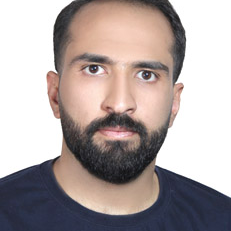
امیرمحمد گل
تحلیل ترجمه های ادبی فارسی معاصر با رویکرد سبک سنجی محاسباتی
- دانشجو
- امیرمحمد گل
- استاد راهنما
- سید حسین ارجانی
- رشته تحصیلی
- مترجمي زبان انگليسي
- مقطع تحصیلی
- کارشناسی ارشد
- محل دفاع
- ادبیات فارسی و زبانهای خارجی
- شماره ساختمان محل ارائه
- ۱۷
- نام کلاس محل ارائه
- کلاس ۲۰۹[۲۰۲۰۹]
- شماره کلاس محل ارائه
- ۳۰۹
- تاریخ دفاع
- ۳۰ مهر ۱۴۰۴
- ساعت دفاع
- ۰۹:۰۰
- چکیده
-
این پژوهش با رویکرد سبکسنجی محاسباتی به تحلیل جامع ترجمههای ادبی فارسی با هدف شناسایی و بررسی ویژگیهای سبکی متمایز هر مترجم میپردازد. با بهرهگیری از رویکردی کمّی و مبتنی بر پیکره، این مطالعه به بررسی چگونگی نمود ترجیحات سبکی مترجمان در ترجمهها میپردازد و بدین ترتیب، ترجمه را بهعنوان کنشی که ذاتاً آمیخته با ویژگیهای سبک فردی است، بازتعریف میکند. پیکره این پژوهش شامل شانزده متن ترجمهشده از چهار مترجم ایرانی (کیومرث پارسای، مهدی افشار، نجف دریابندری و نازی عظیما) است، که هر مترجم با چهار اثر در آن مشارکت داشته است. در این پژوهش از زبان برنامهنویسی پایتون و ابزار پردازش زبان طبیعی «هضم» برای استخراج و تحلیل ویژگیهای واژگانی، نویسهای، نحوی و معنایی استفاده شده است. افزون بر این، سه روش سنجش شباهت پیکرهای شامل منحنیهای ترکیب مندهال (Mendenhall's characteristic curves of composition)، کای-اسکوئر کیلگریف (Kilgarriff's Chi-squared) و دلتای باروز (Burrows' Delta) برای اندازهگیری میزان ثبات و تنوع سبکی در ترجمهها بهکار گرفته شده است. یافتههای پژوهش نشان میدهد که میتوان سبک مترجمان را از طریق الگوهای زبانی تکرارشونده که در هر چهار ویژگی زبانی یافت میشوند، مشاهده کرد. در این میان، ویژگیهای واژگانی و بهویژه ترجیحات در انتخاب لغات، بیشترین قابلیت را برای تمایز هویتهای سبکی نشان میدهند. از میان مترجمان مورد مطالعه، کیومرث پارسای متمایزترین و پایدارترین سبک فردی را از خود نشان میدهد. این پژوهش همچنین آزمون کای-اسکوئر کیلگریف را مؤثرترین روش برای سنجش شباهت در سطح پیکره میداند و بر تأثیری که ژانر متن مبدأ میتواند بر الگوهای سبکی قابل مشاهده مترجمان داشته باشد، تأکید میکند. این مطالعه علاوه بر ایجاد درکی تجربی، شیوههای روششناختی را در حوزه مطالعات ترجمه پیکرهبنیاد با نشان دادن قابلیت کاربرد ابزارهای سبکسنجی برای متون فارسی، زبانی که منابع و ابزارهای سبکسنجی محاسباتی محدودی دارد، ارتقا میبخشد. بدین ترتیب، این پژوهش به ارتقای دانش سبک مترجم کمک میکند و در عین حال، مدلی برای پژوهشگرانی که علاقهمند به تحقیق در زمینه سبک فردی در ترجمه با استفاده از ابزارهای محاسباتی هستند، فراهم میآورد.
واژههای راهنما: سبکسنجی، سبک مترجم، سبکسنجی محاسباتی، ترجمه ادبی فارسی
- Abstract
-
This study conducts a comprehensive computational stylometric analysis of Persian literary translations with the aim of identifying and investigating the distinctive stylistic features of each individual translator. By employing a quantitative corpus-based methodology, this study explores the ways in which translators' stylistic preferences manifest in translations, thus reconceptualizing translation as inherently a task that is always imbued with the qualities of the individual's style. The corpus of the study contains sixteen translated texts by four Iranian translators (Kiumars Parsai, Mahdi Afshar, Najaf Daryabandari and Nazi Azima), each contributing four works. The study uses Python and the Hazm natural language processing (NLP) toolkit to extract and analyze lexical, character, syntactic and semantic features. Additionally, the study utilizes three corpus similarity methods (Mendenhall's characteristic curves of composition, Kilgarriff's Chi-squared and Burrows' Delta) to measure stylistic consistency and variation within translations. The findings show that indeed, it is possible to observe translators’ style through recurrent linguistic patterns found within all four feature dimensions, while lexical features, specifically, word preferences demonstrate the greatest potential for differentiating stylistic identities. Of the translators studied, Kiumars Parsai displays the most distinct and consistently identifiable style. The study also recognizes Kilgarriff's Chi-Squared test as the most effective procedure for testing corpus-level similarity and highlights the impact that the source text genre can have on the translators' observable stylistic patterns. In addition to its contribution to empirical understanding, the study advances methodological practices utilizing corpus-based Translation Studies (CTS) by illustrating the applicability of stylometric tools to Persian texts, a language with limited computational stylistic resources. In this way, the study contributes to the knowledge of translator's style, while also providing a model for scholars interested in researching stylistic individuality in translation with computational tools.
Keywords: Stylometry, Translator’s Style, Computational Stylistics, Persian Literary Translation