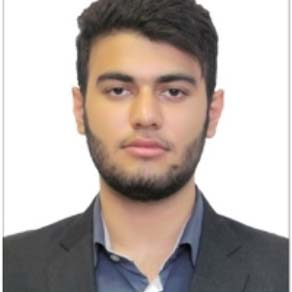
امیرمهدی صفائی دریاکناری
بررسی گونه های ادبی نثر شاعرانه و شعر منثور
- دانشجو
- امیرمهدی صفائی دریاکناری
- استاد راهنما
- سمیه آقابابایی
- استاد مشاور
- بتول واعظ
- استاد داور
- محمد امیر جلالی
- رشته تحصیلی
- زبان و ادبيات فارسي
- مقطع تحصیلی
- کارشناسی ارشد
- محل دفاع
- ادبیات فارسی و زبانهای خارجی
- شماره ساختمان محل ارائه
- ۱۷
- نام کلاس محل ارائه
- کلاس ۲۰۷[۲۰۲۰۷]
- شماره کلاس محل ارائه
- ۳۰۷
- تاریخ دفاع
- ۱۲ مهر ۱۴۰۴
- ساعت دفاع
- ۱۵:۰۰
- چکیده
-
تمایز میان گونههای ادبیِ زبان همواره مورد بحث
ادیبان و پژوهشگران بوده است. از دیرباز راهکارهای متفاوتی برای تمایز میان نثر، نظم و شعر و گونههای ترکیبی ارائه شده است. در دورة معاصر با پدیدآمدن صورتهای تازهای از شعر و نثر، راهکارهای پیشین به چالش کشیده شدهاند. صفوی و حقشناس کوشیدهاند با ارائة راهکارهایی بینارشتهای میان زبانشناسی و ادبیات بر پایة نظریة هنجارگریزی (برجسته سازی) ج. لیچ تبیین تازهای از بلاغت و پیوند آن با گونههای ادبی زبان به دست دهند. با وجود نقش انکارناپذیر کورش صفوی در ایجاد مسیری تازه، طرح ایشان از نظر عملی با اشکالهایی روبهرو است. نوشتة حاضر میکوشد تا با نقد و تکمیل پژوهشهای پیشین، راهکاری عملی برای بررسی متون ادبی ارائه کند. مسئلة مرز میان نثر شاعرانه و شعر منثور ایرادهای نظریههای پیشین را به روشنی نشان میدهد. در این پژوهش با روش کمّی-کیفی به بررسی بخشی از پنج متن (دفتر شعر مثلثات و اشراقها اثر سیدعلی صالحی، دفتر شعر ابراهیم در آتش اثر احمد شاملو، دو دفتر شعر تولدی دیگر و ایمان بیاوریم به آغاز فصل سرد اثر فروغ فرخزاد، مجموعه داستان کوتاه یوزپلنگانی که با من دویدهاند اثر بیژن نجدی و رسالة سوانحالعشاق اثر احمد غزالی) پرداختهایم. پژوهشگران پیشین تنها به نقش قاعدهکاهی در پیوستار نثر به شعر توجّه داشتهاند. ما با افزودن بسامد، کیفیت و ایجاد سلسلهمراتب قاعدهافزایی (توازن) در عین توجّه به قاعدهکاهی، کوشیدهایم طرحی برای تبیین دقیقتر پیوستار نثر به شعر پیشنهاد دهیم.
- Abstract
-
Differences between literary genres have always been a subject of debate for scholars and researchers. Various approaches have long been proposed to distinguish between prose, verse, and poetry, as well as their hybrid forms. In the contemporary era, the emergence of new forms of poetry and prose has challenged these traditional approaches.
Safavi and Hagh-shenas attempted to offer a new interpretation of rhetoric and its relationship with literary genres by proposing an interdisciplinary approach between linguistics and literature, based on G. Leech's theory of deviance (Forgrouding). While Kourosh Safavi's undeniable role in forging a new path is recognized, their framework faces practical issues. The present study seeks to provide a practical approach for analyzing literary texts by critiquing and supplementing previous research. The issue of the boundary between poetic prose and prose poetry clearly reveals the shortcomings of previous theories. In this research, we have analyzed a selection from five texts using a mixed-methods approach: the poetry collections Mosallasat va Eshragh-ha by Seyed Ali Salehi and Ibrahim dar Atash by Ahmad Shamloo; two poetry collections, Tavallodi Digar and Iman Biavarim be Aghaz-e Fasl-e Sard by Forough Farrokhzad; the short story collection Yuzpalang-ha-yi ke ba Man Davidand by Bijan Najdi; and the treatise Savaneh-ol-Oshshaq by Ahmad Ghazzali. Previous researchers have only focused on the role of rule-reduction in the prose-to-poetry continuum. By adding frequency, quality, and creating a hierarchy of rule-addition (parallelism) while also considering rule-reduction, we have attempted to propose a more precise model for explaining the prose-to-poetry continuum.